
Answer in brief
The institutions have confirmed the Bangkok dates. The useful question is which proposals will gain funding, terms and follow-up rather than merely a place on the program.
A confirmed gathering, not a completed deal
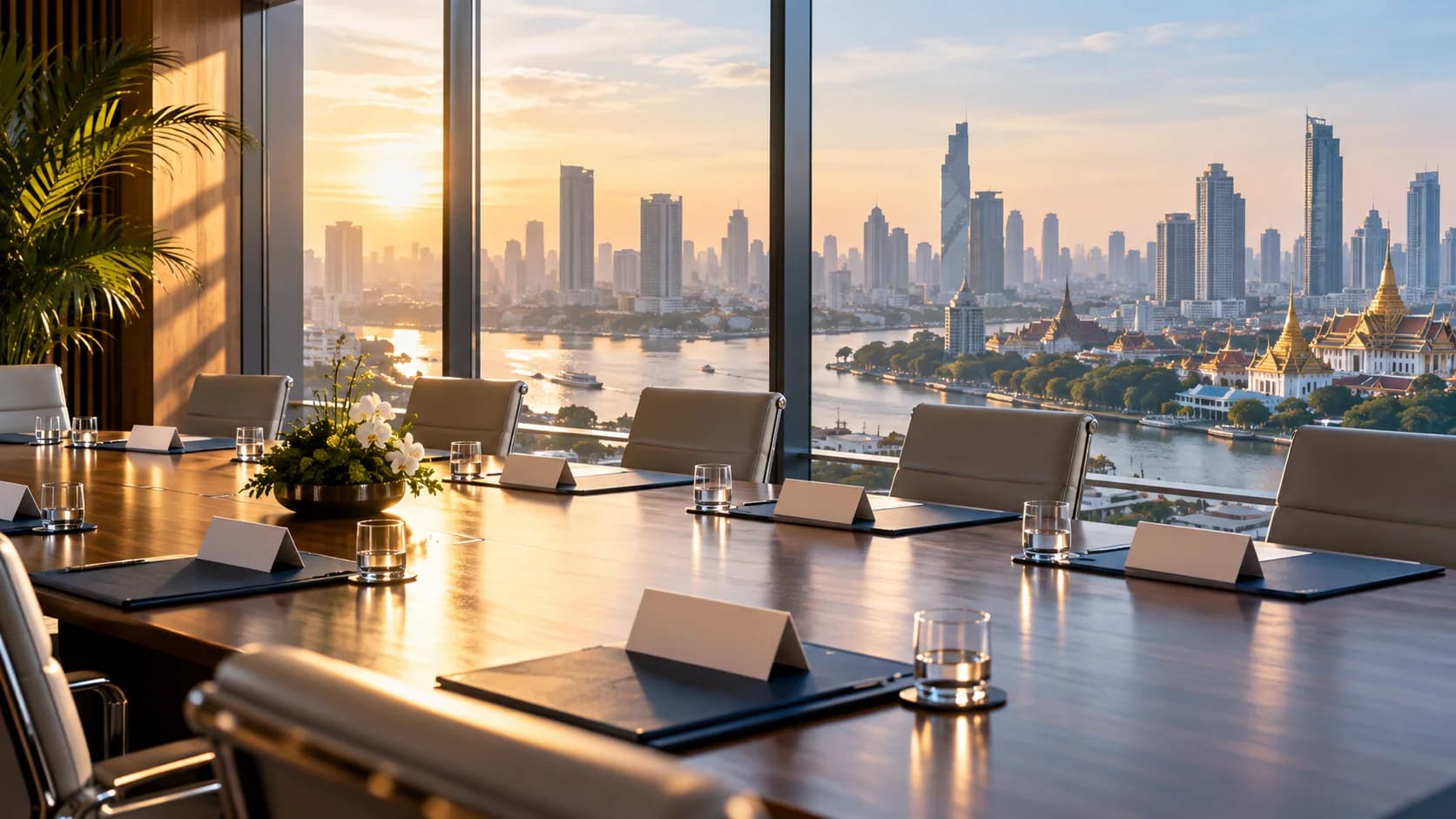
The IMF and World Bank Group both list their 2026 annual meetings for 12–18 October in Bangkok. Their published materials describe a week of plenary, committee, public and other discussions. Bangkok last hosted the annual meetings in 1991, giving this return a regional frame. But a venue and calendar are the established facts at the 1 October evidence cutoff. They say nothing yet about negotiated outcomes, new lending or the response of member governments.
Jobs and capital are on the program
The World Bank schedule includes a flagship session on using AI for jobs and another on mobilizing private capital for jobs, alongside the Development Committee, plenary and IMF’s monetary and financial committee. These themes connect productivity with the hard question of who pays for investment. A private-capital headline alone would be thin evidence: readers need to see whether any proposed instrument lowers risk, serves firms that cannot already borrow, and states who absorbs losses if projects disappoint.
Separate the two institutions’ roles
The IMF’s remit centers on macroeconomic stability, surveillance and financial support, while the World Bank’s development work includes long-horizon projects and private-sector mobilization. Their joint meeting can align a diagnosis without producing a joint financing package. A debt discussion, for instance, should be judged by any concrete treatment of repayment schedules and creditor participation, not by general language about resilience. The Development Committee and the IMFC also have different mandates; their communiqués should be read separately.
What to check after Bangkok
Useful reporting after the meeting would compare published communiqués with named programs, funding amounts, loan or guarantee terms and implementation dates. It should distinguish fresh commitments from old funds reannounced and pledges from money actually disbursed. Public sessions can make priorities visible, but they are not a substitute for those documents. At this cutoff, the October agenda is a preview of issues to examine, not evidence that a policy breakthrough has already happened.
Questions and answers
When and where are the meetings?
Both institutions list 12–18 October 2026 in Bangkok, Thailand. The World Bank says the public program and committee meetings are part of the schedule, which can change.
Does an agenda session mean new money has been agreed?
No. An agenda announces topics. Any financing claim needs a published commitment, amount, instrument, eligibility rules and a way to track disbursement.