
Answer in brief
The Strait of Hormuz links the Persian Gulf to wider shipping routes. Restrictions can affect oil availability, timing and transport costs. The scale depends on actual flows, inventories and alternative routes, rather than a headline alone.
Why a narrow passage carries so much weight
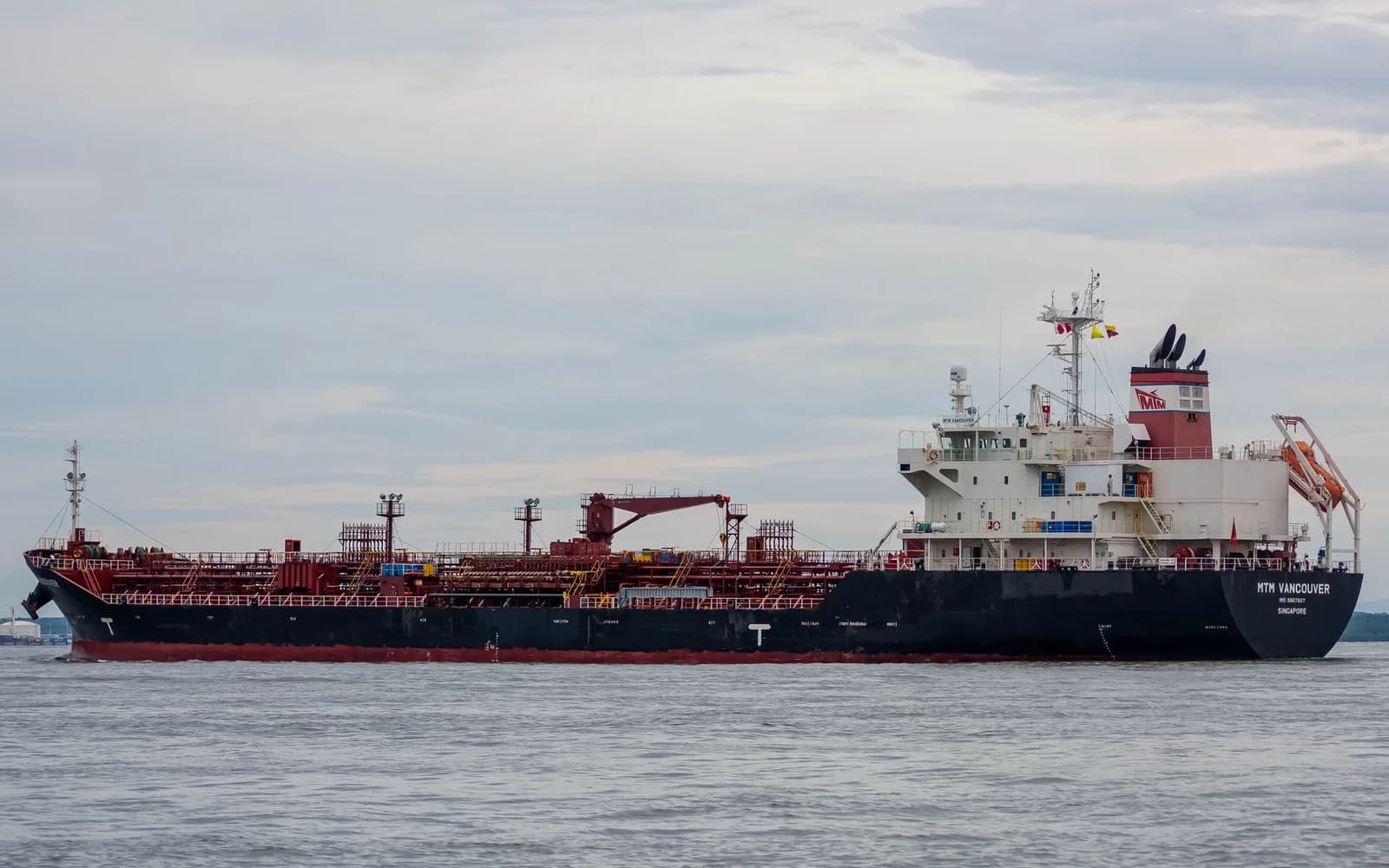
Oil is produced in many countries, but some Persian Gulf cargoes share one limited exit. The Strait of Hormuz connects the Gulf to the Gulf of Oman and onward shipping routes. Its importance is economic as well as geographic: export infrastructure sits along the coast, and customers depend on regular deliveries of crude and fuel.
EIA estimates average oil flow through the strait at about 20 million barrels a day in 2024, roughly one fifth of global petroleum liquids consumption. This is a historical baseline, not a measurement on 7 October 2026. During disruption, the distinction is especially important: a route's normal role and its present utilisation are different measures.
How risk becomes a cost
When passage becomes less predictable, delays, vessel availability, insurance terms and the ability to load cargo all matter. Prices respond to expectations as well as physical loss of supply. If buyers doubt that their next shipment will arrive on time, available inventories can become more valuable before final delivery losses are known.
Imagine a refinery with limited feedstock awaiting a tanker. A longer journey ties up the cargo, vessel and money for additional time. Delivery can cost more even if the oil eventually arrives. That does not produce a universal percentage increase: the result depends on contracts, routes, stocks and market conditions.
Why bypasses cannot solve everything immediately
Some cargoes can use pipelines and other export terminals. This does not mean every shipment can instantly switch route. Infrastructure has capacity limits, geographic connections and operational constraints. Oil from one field may not have the same access to an alternative outlet as another producer's supplies.
In EIA's archived September outlook, increasing flows and alternative routes were scenario assumptions. The model's inputs closed on 3 September, and the document explicitly does not account for later events. We use it here to explain mechanisms and forecast conditions, rather than as confirmation of today's passage security or an up-to-date oil quote.
How the effect reaches a fuel pump or shop
The global crude price is one layer. Refining, fuel composition, transport, exchange rates, taxes and local competition follow. A shop also faces different delivery shares for different products. The same energy event can therefore substantially affect one purchase and have little visible effect on another.
Our editorial interpretation is to examine the chain in stages. Did raw material, transport or insurance become more expensive? Did delivery time change? Are stocks available? Without those questions, any price increase can be wrongly assigned to one strait. Products have different costs, and pass-through to final prices can be delayed and incomplete.
How to read the next alarming headline
Check the date, measure and source. An attack report, the number of ships that actually passed, delivered cargo volumes and a quarterly forecast answer different questions. They should not be collapsed into one number. Dated EIA and IEA reports help with oil balances; immediate navigation conditions require separate current reporting.
This explainer does not assert that the passage is fully closed or fully restored today. It explains how changing traffic in one place can affect different countries. Confirmed flows and supply conditions, compared with demand and inventories, provide a stronger basis than a loud headline or a historical percentage without its date.
Questions and answers
Does all oil trade pass through the Strait of Hormuz?
No. It carries an important share of Persian Gulf flows. Other regions and some producers have different routes to their customers.
Can an oil price determine an exact petrol price?
No. Refining, logistics, exchange rates, taxes and local market conditions also influence the retail price of fuel.