
Answer in brief
Unlimited graphic design is a design subscription: you pay a fixed monthly fee and send requests one after another, and the designer delivers them in turn. It suits steady small jobs such as social posts, presentations and banners. It does not suit a brand identity from scratch or a large interface project, and it pays off only if you send requests often.
What unlimited graphic design really promises
Unlimited graphic design sounds like an offer to receive any amount of design for one price. In practice it is a subscription: you pay a fixed monthly fee and in return you may send as many requests as you like, one after another. The word unlimited describes the number of requests over the month. It does not describe how many are worked on at the same time, and it does not describe how large each one can be.
Wikipedia defines the subscription business model as a recurring price paid at regular intervals for access to a product or service, and notes that book and periodical publishers pioneered it in the seventeenth century. Design has simply joined the list. What you buy is not a finished logo or a finished brochure but access to a designer's attention, spread across a month.
How the queue works: one request at a time
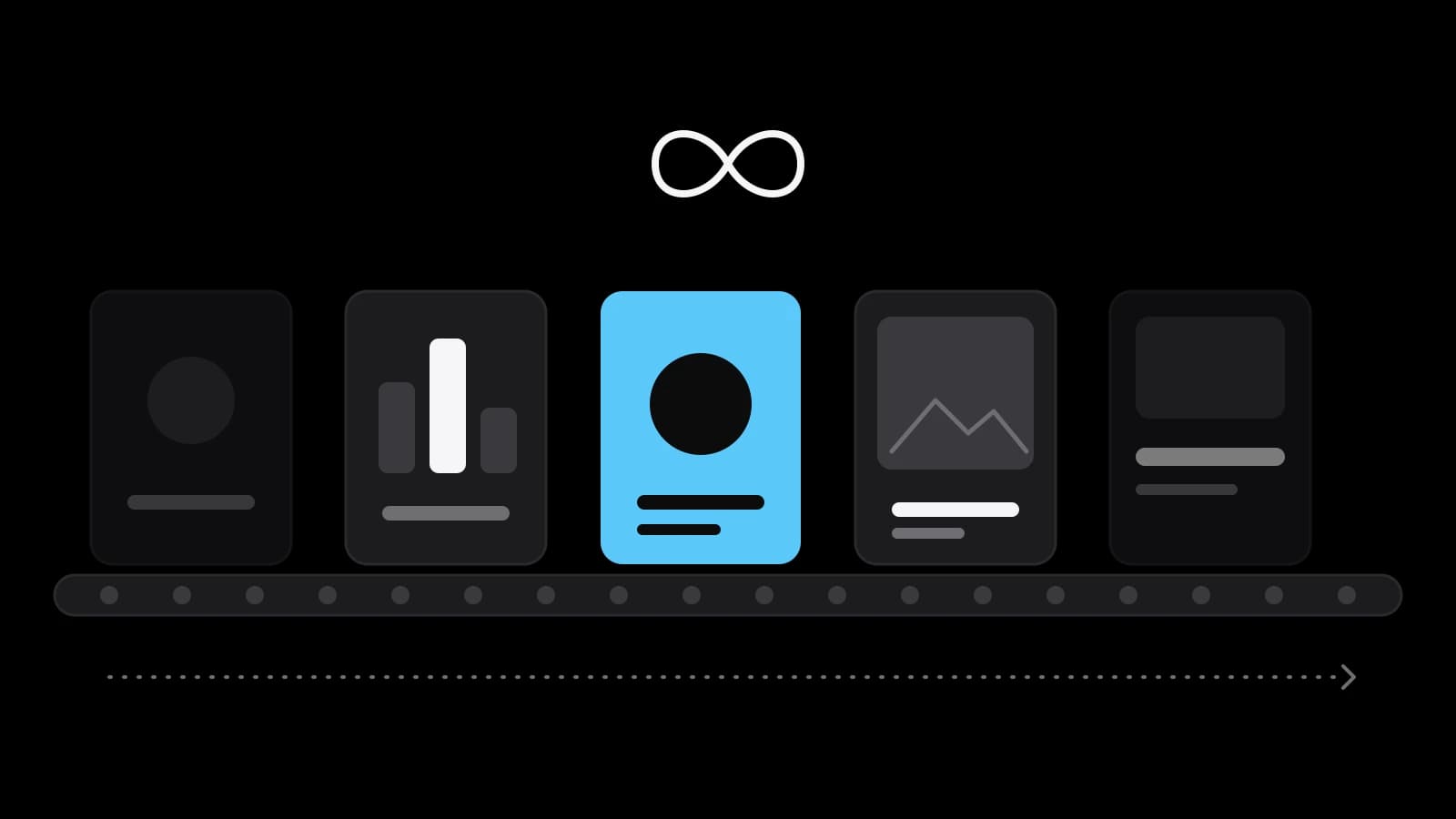
The usual shape is a queue. You write a request, the designer works on it, delivers a first version, and takes your comments. When that request is closed, the next one starts. This is why a small business can describe a banner on Monday and a presentation on Wednesday without asking for a quote each time. It is also why the model has a built-in limit: one designer, one request in progress.
Two practical questions follow from that. How long does a typical request take to come back, and how many rounds of changes are included in it? A provider who cannot answer both in plain words is selling a feeling. Ask also what happens when you send a second request while the first is still open. Ask for the answers in writing, because turnaround and revisions are what you actually pay for each month.
Jobs that fit a design subscription
Wikipedia's article on graphic design lists the usual areas: publications, advertising, packaging, and web and interface work. A subscription fits best where the work is small, frequent and built on a look that already exists. Social media posts, presentation slides, advertising banners, an email header, a landing screen for a campaign: each of these repeats the same colours, type and page layout in a new arrangement.
The same article names the building blocks of the discipline: type, images, grids, page layout and colour. Those are what a designer reuses from one request to the next. Once your colours and typefaces are settled, each new post is a matter of arranging them, and that is exactly the kind of job a queue handles well.
Jobs that do not fit: identity from scratch and large interface projects
Wikipedia describes identity and branding as the logos, colours, packaging and text that represent a company, and its article on visual identity says guidelines then govern how those elements are applied. Creating that identity is a different kind of work from applying it. It involves choosing a direction, testing alternatives and agreeing on rules, which does not fit in a single request in a queue.
The same holds for interface design. The graphic design article notes that websites and software interfaces are usually designed together with software developers. A new online shop, an app or a full redesign of a site is a project with its own plan, stages and approvals. A subscription can supply the graphics for such a project once it exists, but it is the wrong tool for starting one.
How to brief a request so the first version lands close
A short, specific brief saves a round of changes. Write what the piece is for, who will see it and where it will appear, then give the size or format, the exact text and the images you want to use. Add one or two examples of what you like and one thing you do not want. Name the date you need it and the person who approves it, so that comments arrive from one voice instead of five.
Wikipedia's article on visual identity says guidelines usually cover approved colour palettes, typefaces and page layouts. If you have them, send them with the first request. If you do not, the first few requests will quietly create them, and it is worth saving the approved results as a small reference sheet. Every later brief then starts from a settled look, which is the main reason a subscription gets better with use.
Files, rights and what you actually own
Before you pay, ask who owns what you receive. The US Copyright Office says the creator of the original expression in a work is its author, with one exception: when a work qualifies as a work made for hire, the employer or commissioning party is considered the author. The Office describes such a work as one prepared by an employee within the scope of employment, or one specially ordered or commissioned in certain specified circumstances.
That is a description of how one country's office uses the terms, not advice for your case. Ownership of a design depends on the contract and on the law of the place where you work, so ask the provider to state in writing what you receive: the final files, the editable source files, and any fonts or stock images that carry their own licences. If the work matters to your business, have a lawyer read that clause once.
How to judge the value of a design subscription
Wikipedia lists the benefits of the subscription model for customers: it can be convenient, save time, and possibly save money for frequent users. It also lists the drawbacks: repeated payments can become a burden, and inertia can keep people paying for subscriptions they no longer value. Both sentences describe design subscriptions exactly. The model rewards steady use and punishes a quiet month.
So count before you commit. List the design jobs you ordered in the last three months, or the ones you postponed because a quote was too much trouble. If the list is long and steady, a monthly fee is likely to cost less per piece than one-off orders. If you need two designs a year, order them one by one. Also check how you can stop: whether you can pause, how much notice is required and whether unused days carry over.
Judge the result by the work, not by the promise. Look at the first delivered request: was it on time, was it close to the brief and did the designer ask sensible questions? That single piece tells you more than any list of features.
What to prepare, and how the Design subscription works
To get the most from the first month, prepare a small kit: your logo in an editable format, your colours and typefaces, three examples of posts or slides you like, and a list of the first five jobs in order of importance. Decide who sends requests and who approves them. Choose the channel where you want to receive the files.
VITON13 Studio offers this as the Design subscription. It covers unlimited design requests delivered one by one, including social posts, presentations, banners and landing screens, and you can pause or cancel each month. Before you pay, your first request is started free, so you see real work on your own task. The subscription is $313/mo, billed monthly, and you cancel with 30 days' notice.
If your jobs are rare, order them one at a time and keep the checklist below for the brief. If they come every week, describe the first one and look at the free start before you decide. Either way, you leave with a clearer picture of what you need and what it is worth to you.
Practical checklist
- List the design jobs of the last three months and count how many would have gone into a queue.
- Ask how long a typical request takes and how many rounds of changes each request includes.
- Prepare a kit: editable logo, colours, typefaces, three liked examples and the first five jobs.
- Get in writing what you receive: final files, source files, and the licences of fonts and images.
- Check how to pause or cancel, how much notice is needed and whether unused time carries over.
Questions and answers
Does unlimited mean the designer works on all my requests at once?
Usually not. Unlimited describes how many requests you may send over the month. They are normally delivered one after another, so ask how long a typical request takes to come back and how many rounds of changes it includes.
Can I get a logo and brand identity from a design subscription?
It is the wrong tool for creating an identity from scratch, which needs a direction, alternatives and agreed rules. A subscription works well once the identity exists and you need it applied to posts, slides and banners.
Is a design subscription cheaper than hiring a freelancer?
It depends on how often you order. Wikipedia notes that subscriptions can save money for frequent users. If your jobs are rare, ordering one by one costs less than a monthly fee you barely use.
Who owns the designs I receive?
That depends on the contract and on local law. The US Copyright Office describes how a work made for hire differs from an ordinary work, so ask the provider to state ownership in writing and have a lawyer check it.
What should I send with my first request?
Send the purpose of the piece, the audience, the size or format, the exact text and images, one or two examples you like, the deadline and the name of the approver. If you have brand guidelines, send those too.