
Answer in brief
As the UN envoy tests a route back to negotiations, health agencies warn that crowded sites and broken referral routes are compounding Yemen's emergency.
Diplomacy resumes under pressure from the battlefield
UN envoy Hans Grundberg told AP on 29 September that he had met Houthi negotiators in Muscat and held discussions with Yemen's internationally recognized government and regional actors. His stated aim was to prevent the latest military escalation from widening. The contact is evidence of a diplomatic channel, not a ceasefire agreement or a breakthrough. Fighting on the western coast has shifted front lines and disrupted travel, while civilians need services immediately. Treating negotiations and relief as separate clocks helps explain why a meeting can be significant without changing conditions in a displacement site that day.
Displacement totals require clear attribution
The International Organization for Migration told a UN Geneva briefing on 29 September that figures received since 28 September pointed to about 145,000 newly displaced people inside Yemen. WHO cited a higher health-ministry estimate during the same briefing, and the speakers noted that sources and time windows differ. A single blended number would mislead readers. AP also reported people crossing the water to Djibouti. Whatever the final count, new arrivals need shelter, safe water, vaccination and access to emergency and routine care, often in places already short of capacity.
The health risk extends beyond battle injuries
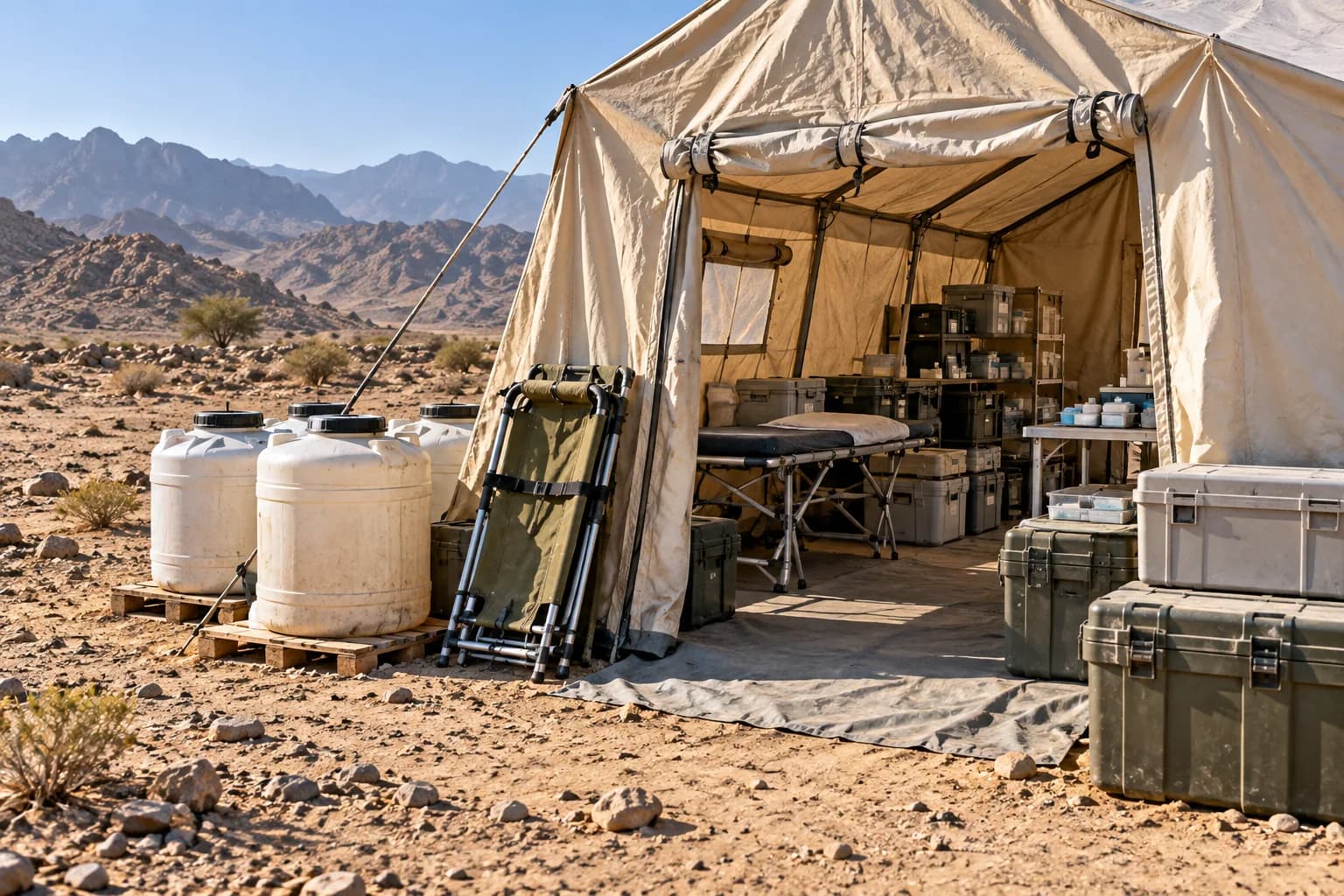
WHO's 24 September statement said only about 60% of assessed health service units were fully functioning before the latest pressure, and full trauma care was available in just 6% of assessed facilities. At the 29 September briefing it described overcrowded reception sites, unsafe water, damaged services and supply shortages. Cholera and measles were already present; the agency's warning is that disrupted immunization, sanitation and treatment may let them spread further. There is no basis to attribute every current cholera or measles case to this particular round of fighting.
What the next update should establish
WHO says trauma supplies, referrals and mobile care must expand without displacing maternity, child health, dialysis and routine treatment. Its earlier statement described difficult routes to Taiz and the western coast and damaged health facilities, so a functioning building on a map may still be unreachable. After the 29 September cutoff, the most useful indicators are independently dated displacement counts, access along referral routes, functioning clinics and verified disease surveillance. The diplomatic test is whether contacts produce de-escalation; the humanitarian test is whether care reaches people before preventable risks become new emergencies.
Questions and answers
How many people have recently been displaced inside Yemen?
At the 29 September UN Geneva briefing, IOM said figures received since 28 September showed about 145,000 people displaced. Other agencies described different totals based on their own sources and time windows; the IOM figure should retain its attribution and briefing date.
Did new fighting cause Yemen's cholera outbreak?
No such conclusion follows from the sources. WHO said cholera was already circulating. It warned that displacement, crowded sites and unsafe water could increase transmission and weaken access to treatment.