
Answer in brief
Saturn remains a useful target after opposition on 4 October. The Orionids peak around the night of 21–22 October, with bright moonlight limiting faint meteors. On 27–28 October, the Moon passes near the Pleiades; local visibility varies.
A plan that starts without buying equipment
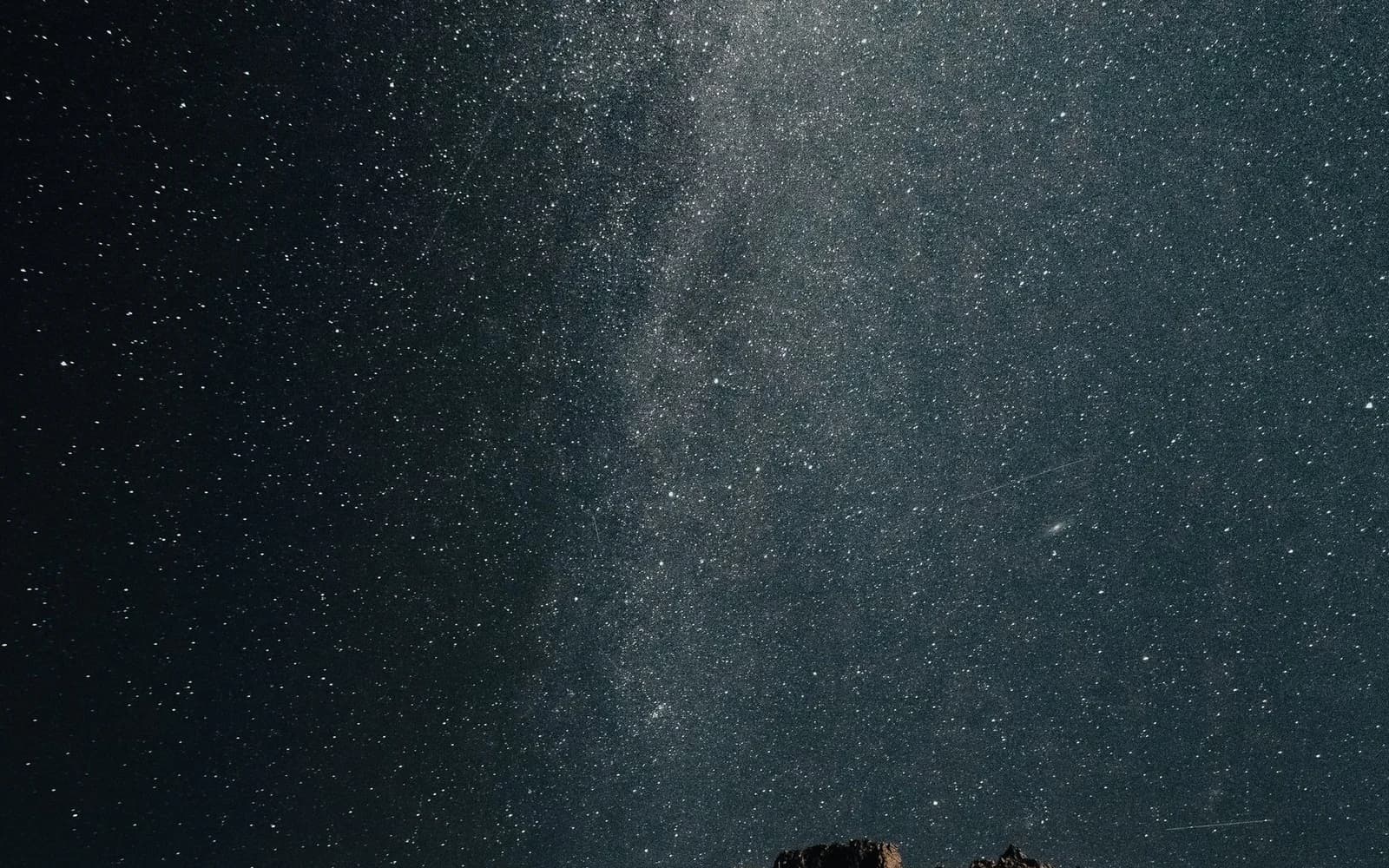
NASA/JPL's October guide highlights Saturn, the Orionid meteor shower and the Moon passing near the Pleiades. Choose one target to begin. A bright planet or star cluster can be found with unaided eyes; Saturn's rings need a telescope. Meteors are better watched without one because they can appear across a broad area of sky.
Saturn reached opposition on 4 October. That date has passed, but useful viewing does not end at midnight afterward. The planet remains an evening and nighttime target. Check its position, altitude and observing time for your town. A monthly astronomical calendar is not a universal local timetable across all latitudes.
| When | Target | Consideration |
|---|---|---|
| After 4 October | Saturn | Opposition has passed; check local altitude |
| Night of 21–22 October | Orionids | Moonlight interferes; seek a post-moonset window |
| 27–28 October | Moon and Pleiades | Positions and visibility depend on location |
Why pre-dawn matters for the Orionids
NASA/JPL identifies the night of 21–22 October for the peak, while the International Meteor Organization's calendar lists a 21 October maximum. These describe an activity period, rather than a guaranteed burst at one universal minute. The shower comes from debris of Halley's Comet. Bright moonlight in 2026 will make faint meteors harder to see.
Look for a window after local moonset and before dawn, where available. You do not need to stare precisely at Orion: trails appear to radiate from its direction, but meteors can be seen across the sky. Get comfortable, allow your eyes to adapt and avoid bright screens. Conditions matter more than an impressive meteors-per-hour headline.
Choosing a place for Saturn
A clear horizon and steady air help with planetary observing. Low views across roofs can suffer from turbulent air and heat rising from buildings. Waiting until the planet is higher can improve the view more than simply adding magnification. A larger, shaking image does not contain more useful detail merely because it looks bigger.
Without a telescope, a public observing session at an astronomy club or planetarium can provide an option, subject to its current schedule. Avoid buying equipment for one evening on the strength of professional observatory pictures. Even good amateur telescopes provide a different experience from processed scientific images.
The Moon near the Pleiades is an apparent encounter
NASA/JPL notes the Moon near the Pleiades on 27–28 October. This is proximity on the sky as seen from Earth; the objects are at vastly different distances. Binoculars may help compare the Moon and the cluster, but the available view depends on their angular separation and the instrument's field of view.
Find the cluster on an up-to-date local sky map, then inspect the Moon's position. For photography, decide whether you want lunar surface detail or faint stars. One automatic phone exposure seldom records both equally well. Different exposures reveal different targets; a missing star in a photograph is not a star disappearing from the sky.
What to check before leaving home
Check cloud forecasts, local Moon rise and set times, and the horizon. Bring warm clothing and choose a place where access is permitted. Allow time for meteors: several quiet minutes do not establish that the shower has stopped. Your view samples an event and depends on darkness, clouds and trees blocking parts of the sky.
Our editorial suggestion is one main target and one backup. If moonlight spoils the Orionids, observe the Moon or find Saturn. If clouds hide everything, Webb's new image offers another evening with astronomy. A useful outing depends on suitable conditions and realistic expectations, rather than completing every entry in a calendar.
Questions and answers
How many meteors will I see in an hour?
The exact count cannot be known in advance. Calendar rates refer to standard conditions; city light, moonlight and clouds reduce actual sightings.
Do I need a telescope for the Orionids?
No. A wide naked-eye view of a dark sky works better. A telescope restricts the area you can watch at once.