
Answer in brief
The selections span ore sensing, processing and recovery from waste. They are research commitments under negotiation, not verified new mineral supply.
Seventeen selections, one research portfolio
The U.S. Department of Energy announced on 30 September that it had selected 17 national-laboratory projects for $29.5 million through its Mine of the Future initiative. The notice says the projects are selected for award negotiations. That wording matters: it reports a funding decision in progress, not completed grants, finished equipment or new metal flowing into supply chains. The portfolio ranges from finding promising ore to separating minerals and recovering material from mine waste. Each proposal has its own technical milestone and risk.
What the proposed tools actually address
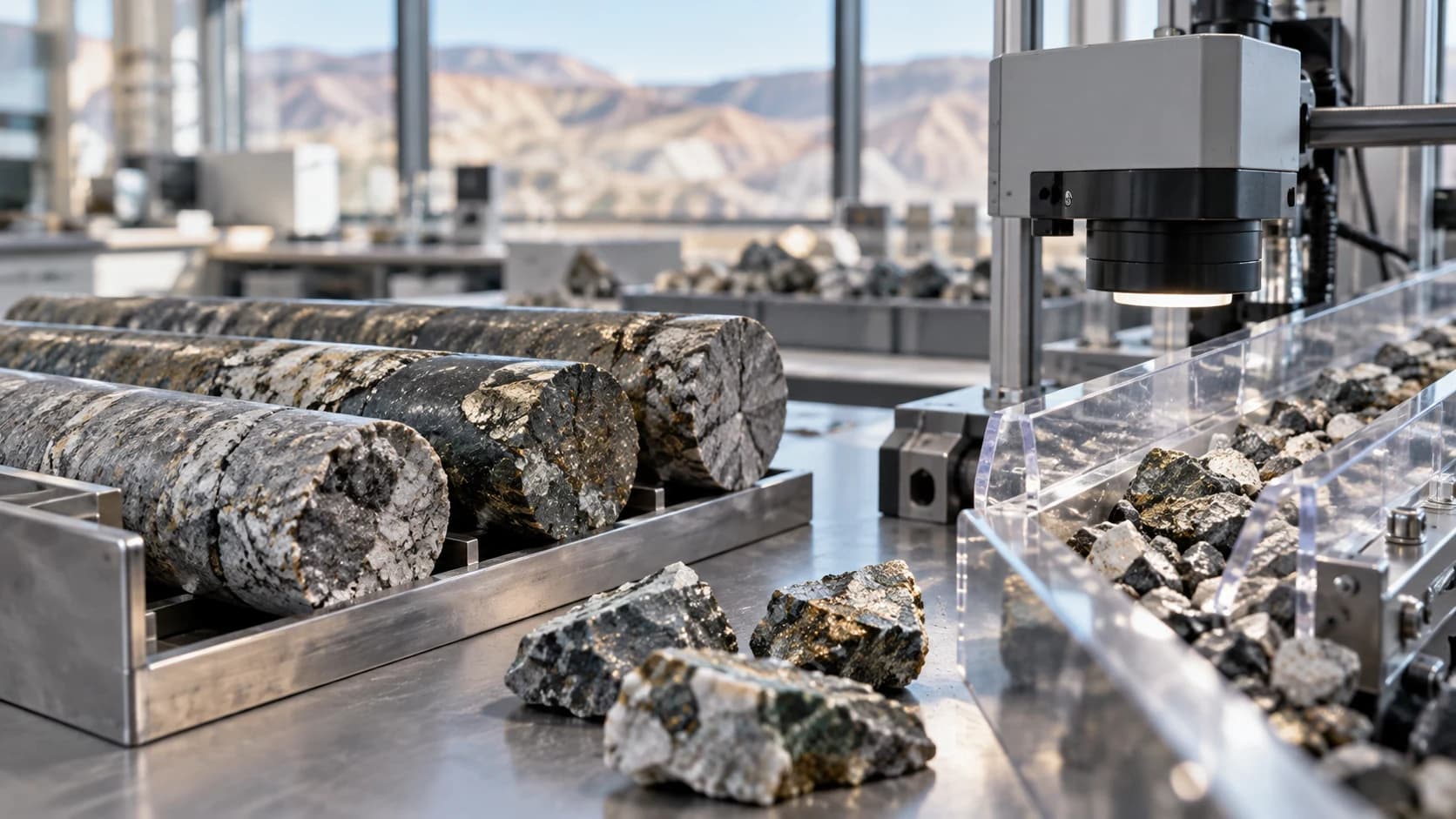
DOE's list includes computer vision paired with sound and magnetic methods for sorting ore, spectroscopy and AI to characterize rock, and electrochemical or biological routes for recovering metals from tailings. Another project aims to reduce energy demand in sulfide-ore processing. These examples target different bottlenecks: knowing what is in the material, liberating useful minerals and processing them with fewer inputs. The announcement states aims and projected advantages; it does not publish independent performance data showing those aims have been met at scale.
Why critical does not mean scarce everywhere
The U.S. Geological Survey's 2025 critical-minerals list identifies 60 minerals whose supply disruptions could matter to the U.S. economy or national security. The designation is about supply-chain vulnerability as well as use; it is not a claim that every listed mineral is geologically rare. DOE's programme seeks domestic technical options within that broader policy problem. Recovery from waste could diversify sources, but ore composition varies by site, and a process useful for one deposit may fail on another. Economic and environmental outcomes need local measurement.
How to judge the work after the announcement: The selections span ore sensing, processing and recovery…
The next evidence should be signed awards, laboratory or pilot yields, energy and water use, chemical residues, and cost compared with established processing. A higher recovery percentage can still be unattractive if inputs or waste handling become excessive. Likewise, a successful sensor prototype is not yet an operating mine. At the 30 September cutoff, the verified development is a set of negotiated research selections and named ideas, not a solved critical-mineral supply gap. The strongest future claim will come from reproducible field results.
Questions and answers
Has DOE already produced minerals with these projects?
The 30 September announcement describes selections for award negotiations and proposed research. It provides no measured commercial production from these newly selected projects.
Why target mine waste?
Some minerals remain in tailings or other low-grade material. Recovery could add supply, but its yield, costs and environmental effects have to be tested for each material and site.