
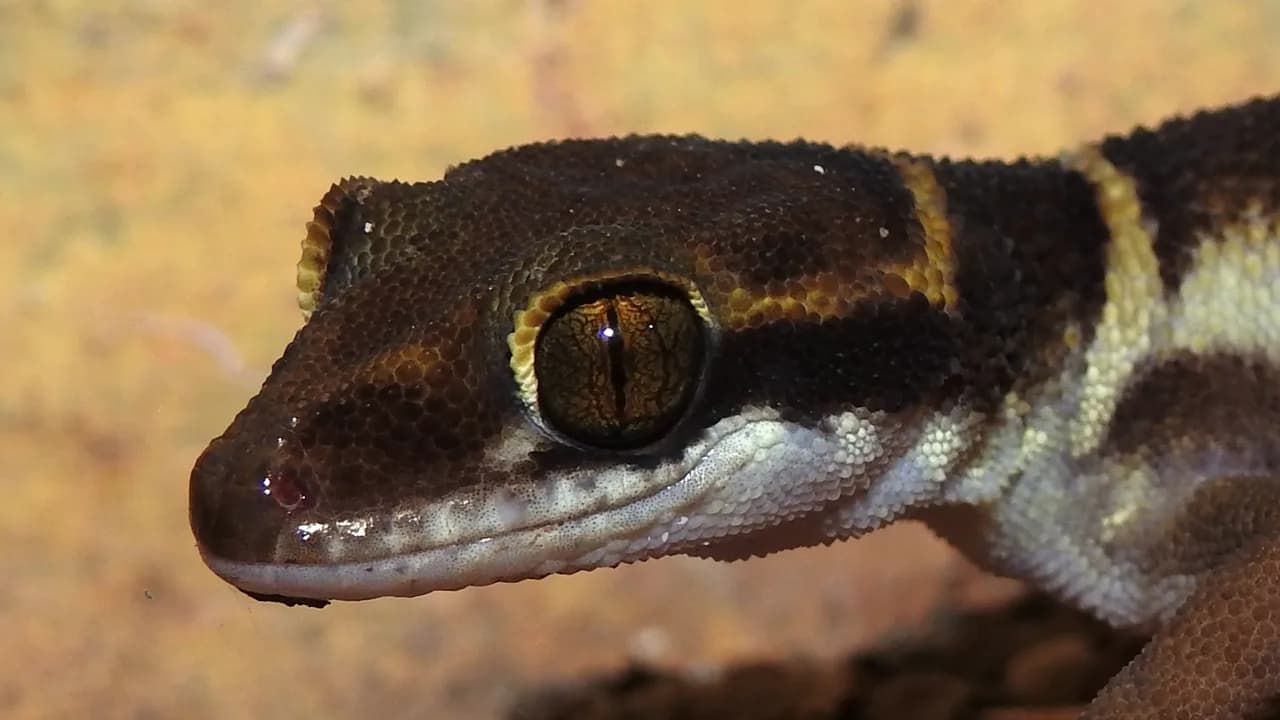
Four percent
From 27 to 30 March 2013, the American firm Public Policy Polling phoned 1,247 registered voters and asked a question you rarely find in a respectable survey: is it true that shape-shifting reptilian people control our world by taking on human form to gain political power? Four percent said yes. Another seven said they were not sure. The remaining 88 were certain it was no.
Four percent of 1,247 is about fifty people. Statisticians were quick to point out that roughly that many people agree with anything in any poll, out of mischief or inattention. But the number escaped into the wild and has been circulating online for more than ten years.
Lizard people: who they are supposed to be
In short, the theory says reptilians are intelligent lizards, either aliens or an ancient Earth race, who can pass for humans and sit quietly in governments, banks and royal houses. They feed, say believers, on fear and war, and in some versions on people, and they have ruled humanity for thousands of years. “Reptilians among us” in this logic is not a question of whether they exist, but of which office they have already reached.
The answer from science is duller: not a single body, lab result, document or verifiable witness. What exists instead is a gripping story of how the idea was invented, stitched together from borrowed scraps and sold to millions of readers.
From Mélusine to Valusia
A shape-shifting serpent is older than any newspaper. A French romance of 1393 tells of Mélusine, a beauty who turns into a serpent from the waist down on Saturdays, and Indian tradition knows the nagas, who can take human form. But a lone serpent is folklore. Serpents who secretly run an entire kingdom first appear in August 1929, in the pulp magazine Weird Tales: in Robert E. Howard’s story “The Shadow Kingdom”, serpent-priests replace courtiers, and King Kull cannot tell whether the man in front of him is human or reptile.
Fifty-four years later the image came to the screen. The American series “V” (1983) showed friendly Visitors with green scales hidden under thin synthetic skin. Its creator, Kenneth Johnson, meant it as a parable about fascism, but the picture of a smiling authority with a lizard under the mask stuck in people’s heads for decades.
The turquoise suit and “The Biggest Secret”
It was a Briton, David Icke, who glued it all together: a former goalkeeper, BBC sports presenter and Green Party spokesman. In 1991 he declared himself a “son of the Godhead”, promised floods and earthquakes, and on live television, on the BBC’s “Wogan”, the host remarked that the studio was laughing at him, not with him. It ended his television career. In 1999 Icke published “The Biggest Secret”, about reptilians from the constellation Draco who rule humans through secret bloodlines.
Researchers and journalists note that this picture of the world recycles old antisemitic myths; Icke denies it, and we treat the theory as hate-tinged fiction.
Slit pupils and the meme
Then video cameras joined in. Distance, poor light and heavy compression make the face of any security guard at a podium seem to swim, and a brain trained to find faces even in noise fills in the rest. In March 2013 a clip of a “reptilian” in the US president’s detail reached Wired magazine, and a spokeswoman for the National Security Council answered with a joke about budget cuts. For years afterwards the joke was quoted as “they didn’t deny it”.
On the Russian-language internet “reptilian” became a catch-all meme, used to explain a boss’s decisions and a bank’s fees. But the real surprise is in the materials. They hold the 1929 story in which a password tells a true man from a serpent, a 1934 newspaper item about a mine shaft that filled with water, a frame-by-frame look at the video with the “swimming” face, and a table of what is proven and what is myth.