
Answer in brief
Adverts made with AI use footage, stills, voice or copy produced or altered by a generative model. They suit hero loops, product moods and concept films; real people, real handling of a product and factual claims still call for a camera. YouTube and Meta label realistic AI content, the EU AI Act requires deepfakes to be disclosed, and Russian law requires every advert to be fair and reliable.
What AI video ads are made of, and where a camera still wins
A business owner who searches for ai video ads usually pictures a film cheaper than a shoot. The phrase covers more: footage generated from a prompt or a still, product scenes around a real photo, a synthetic voice, variants of one headline. Ad accounts now include such tools: on 6 November 2025 Yandex Advertising announced a beta AI creative editor in Direct that generates images and, with “animate image”, returns a five-second clip within two minutes.
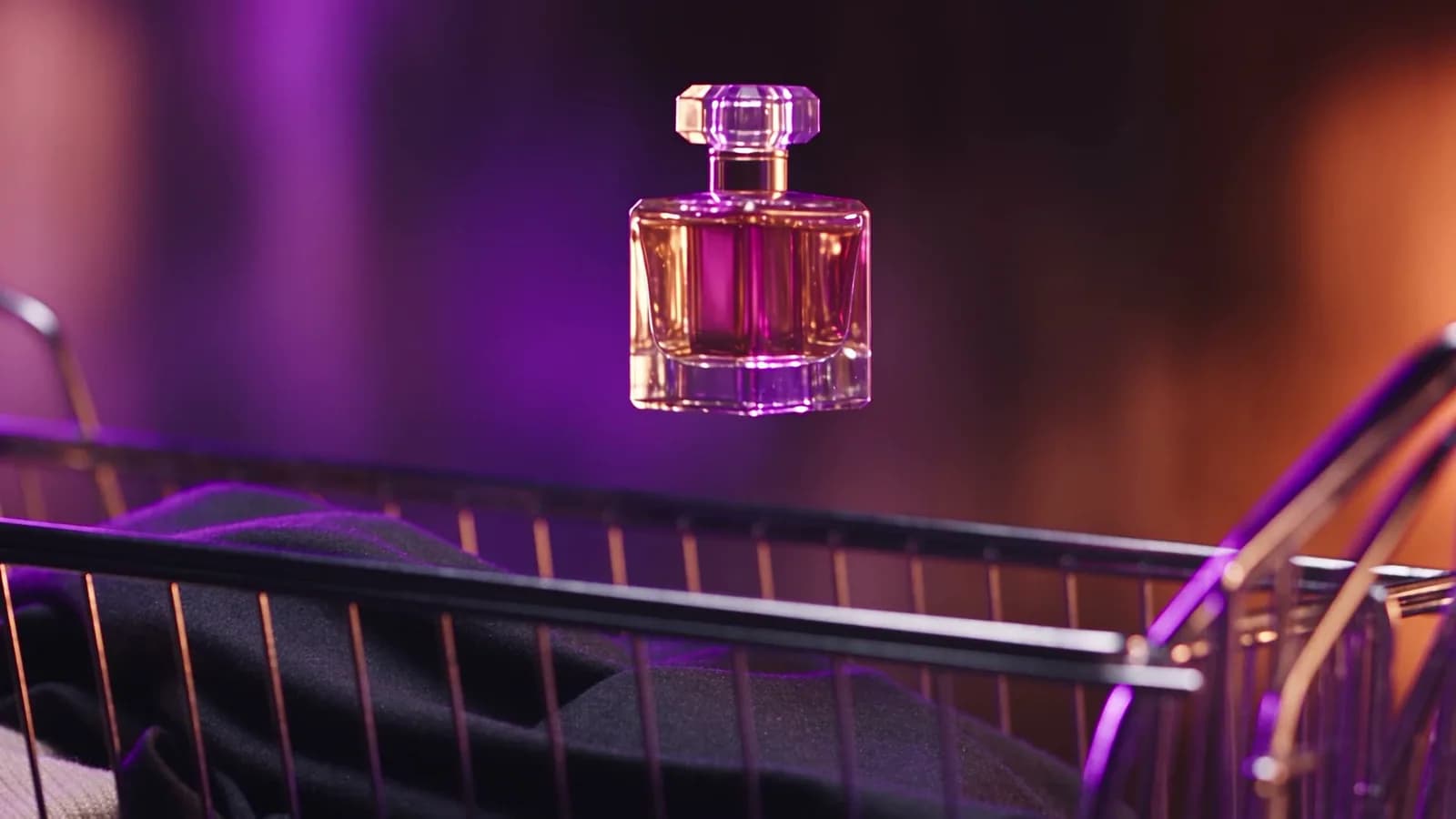
Generation is strongest where a picture carries mood rather than evidence: a loop behind a site’s first screen, a bottle in coloured light, a concept film. A camera still wins with real people, since a recognisable face or a testimonial needs that person and their consent; with real handling, such as how a zip runs, because a model invents detail; and with claims, because a generated frame is a picture, not a record.
How YouTube and Meta label AI-generated and altered footage
Platforms revise their rules, so read them on the day you publish. YouTube’s help page “Disclosing use of GenAI content” requires creators to disclose realistic content made or altered with AI: a real person seeming to say or do what they did not, altered footage of a real event or place, a realistic scene that never happened. One example is AI-generated extra footage of a real place for a promotional travel video. Disclosure is the “AI use” setting in YouTube Studio.
Clearly unrealistic content, such as someone riding a unicorn, and minor edits like beauty filters, colour adjustment, captions or audio repair need no disclosure. YouTube says disclosure alone will not limit a video’s audience or its eligibility to earn money; creators who consistently fail to disclose may face penalties, including content removal or suspension from the YouTube Partner Program.
Meta’s newsroom post of 5 April 2024 records in its updates that the “Made with AI” label became “AI info” on 1 July 2024; it is applied when Meta detects industry-shared signals or people disclose AI themselves. A February 2025 post says ads created or significantly edited with Meta’s own generative tools get the label. Its update of 1 June 2026 says Meta will begin detecting ads from third-party AI tools through industry-standard signals, with the label under “About this ad”.
The EU AI Act, Russian advertising law and the right to a face
The European Commission’s AI Act Single Information Platform gives the text of Regulation (EU) 2024/1689. Article 3 defines a deep fake as AI-generated or manipulated image, audio or video that resembles existing persons, objects, places or events and would falsely appear authentic. Under Article 50, whoever deploys an AI system to make one must disclose that it is artificial; for an evidently artistic or fictional work, disclosing that such content exists is enough. Providers must mark output in a machine-readable way.
Article 113 makes 2 August 2026 the general date of application, and Article 50 is not among its exceptions. In Russia, Federal Law No. 38-FZ “On Advertising”, as published by ConsultantPlus, requires in Article 5 that advertising be fair and reliable, and calls unreliable an advert with untrue information about any characteristics of a product. Article 18.1 requires online adverts to carry the word “реклама”, the advertiser and an identifier from an advertising data operator.
Article 152.1 of the Russian Civil Code, in the ConsultantPlus edition of 10 June 2026, allows a citizen’s image, including photographs and video of them, to be published and used only with their consent. A generated face resembling a real person, an imitated voice or another brand’s logo raise questions an article cannot settle. The answer depends on the country, the placement and the material, so check your case with a lawyer before launch.
From brief to placements: how an AI advert is really produced
One prompt does not make one advert. A generator returns clips a few seconds long, and many fail: a hand comes out wrong, the letters of a label drift. Production starts with a brief fixing the product, audience, message and placements, plus references: real product photos and brand colours. Then come rounds of generation, strict selection, an edit, colour work and sound, with text and logo set during the edit, where they can be checked letter by letter.
The placement shapes the cut. Google Ads Help, on its page about square and vertical video, advises a variety of creatives in 16:9, 9:16 and 1:1 so that ads appear well across devices, and calls vertical 9:16 video best suited for Shorts. A frame composed for a wide screen can lose the product when cropped for a phone, so every version needs its own check and sometimes its own generation.
The case: four films VITON13 Studio made for its own brands
Now the case, labelled first: films for the studio’s own brands, not a client commission; no client ordered or paid for them. VITON13 Studio made four. The VITON13 SCHOOL film and the hero loops of store.viton13.com and studio.viton13.com are AI-generated, not shot on camera. The fourth, GELO, spends 7.07 seconds on the VITON XIII BEAUTY perfume: the wooden cap lifts off, the gold spray pump releases a mist, the cap comes back. Its render came from a generation service and is labelled AI-generated; the tool and model were not recorded.
The 19.17-second SCHOOL film is assembled from several clips generated with Seedance, and the combined file is dated 16 September 2026; it ends on the VITON13 SCHOOL logo. The store loop, generated with Seedance 2.5 and chosen on 17 September 2026, runs 23.32 seconds at 25 fps and weighs 7.2 MB; the studio loop runs 11.08 seconds at 24 fps, 3.4 MB. Both are H.264 at 1920×1080 without audio, each with a 1920×1080 poster frame.
Re-encoding, muted hero loops and a 169-frame scroll film
A generated file is not yet a placement. The SCHOOL and GELO sources were HEVC with sound. Both were re-encoded to H.264 and VP9, each in 1080p and 720p, so that every current browser can play them and a phone can take the lighter file; the sound was kept.
The hero loops play muted, looped and inline, only while on screen. That fits browser rules: Chrome’s developer documentation on autoplay says muted autoplay is always allowed, while sound needs conditions such as the user having interacted with the site. When a visitor’s system asks for reduced motion, a loop pauses; MDN describes prefers-reduced-motion as a device setting that asks to minimise non-essential motion. Without JavaScript, the poster frame is shown.
The GELO render was also cut into two WebP sets of 169 frames: 1440×810 for desktop and a 720×810 centre crop for phones, weighing 3.1 MB and 2.2 MB. A script cuts it with ffmpeg and sharp writes the WebP files. Frame 85 of the video matches frame 85 of the set; the sequence moves as visitors scroll the VITON XIII page, not the GELO product page.
What these four AI brand films do not prove
The case shows AI-generated footage in the first block of two live sites. It does not show that such films sell. There is no view or engagement data for any of the four, and no claim about visits, applications, orders or sales. The SCHOOL and GELO films play with sound on the case page and in the founder’s portfolio, not yet on the store or a VITON13 SCHOOL page.
It proves less about generation than it may seem. For GELO, with the tool unrecorded, it covers the re-encoding, the cut into frames and the scroll playback, not the render. The loops are silent, the other two films keep their source sound, and no claim is made about sound design. An advert bought for orders is judged by numbers this case lacks; only your own test on your own placements can supply them.
Preparing an AI advert: what to bring and when to order production
Whether you generate the advert or order it, the same material decides the result. Write down which product facts the advert may state and which it must never invent. Collect real photos of the product from several angles to compare every generated scene with what the buyer receives. Add the brand rules: colours, type, logo files, banned words. List placements and formats, and every real person in the frame, with written consent.
Doing it yourself suits quick variants: a still for a test, animated versions of one picture, headline options. Tools inside ad accounts, such as the editor in Yandex Direct, are built for that, and a weak variant costs little. Ordering suits a film that carries the brand on a site or across placements, a product that must stay accurate in every frame, work where sound matters, and campaigns where labels, law and rights need checking first.
That second kind of work is what VITON13 Studio offers as AI video production: brief, generation, selection, edit, sound, versions per placement and files ready for a site, part of which its own brand films show. The linked guides compare AI video with a film shoot and compare generator prices. Either way, ai video ads face one final test: what the advert shows must be what the buyer gets.
Practical checklist
- Write down the product facts the advert may state, and keep real photos of the product for comparison.
- Check the current AI disclosure rules of every platform where the advert will run, on the day you publish.
- Get written consent from every real person whose face or voice appears, and ask a lawyer about likenesses.
- Plan the versions before generating: 16:9, 9:16 and 1:1 frames, with the product inside each crop.
- For a site, export muted loops with a poster frame and a pause for visitors who ask for reduced motion.
Questions and answers
Do I have to label an AI-generated advert on YouTube?
YouTube asks creators to disclose content that looks realistic and was made or changed with AI, for example a real person shown saying words they never said, or a believable scene that did not take place. Plainly fantastical videos and small edits such as colour correction or captions are exempt. Rules change, so read the help page again on the day you publish.
Will Meta mark an advert I generated with a third-party AI tool?
Meta labels ads made or noticeably edited with its own generative features. In its update of 1 June 2026 it said it would also start spotting ads from outside AI tools by industry-standard signals; where detected, the AI info label is shown in the About this ad section of the menu with three dots.
Does the EU AI Act forbid deepfakes in advertising?
Article 50, as the Commission’s AI Act Single Information Platform presents it, is a transparency rule: whoever deploys a deep fake has to say it was artificially generated or manipulated, with a lighter duty for evidently artistic or fictional works. Other parts of the Act and other laws may also apply, so ask a lawyer whether your advert counts.
Can AI video replace a product shoot for a shop or a marketplace card?
For mood, first-screen loops and concept films it can do a lot. To show size, texture or how the product works, a real photo or shoot is the safer choice: a generated scene records nothing, and Russian advertising law treats untrue information about product characteristics as unreliable advertising.
Did the four VITON13 brand films raise visits or sales?
Nobody knows from this case: it holds no view, engagement or sales data for any of the four films and claims no effect on visits, applications, orders or sales. What it documents is how three films were generated, how the files were re-encoded and played, and how the GELO render became a 169-frame scroll film.