
Archive — Page 5
The complete VJOURNAL issue, ordered by editorial signal and publication date.
Latest
12
Marketing
Customer journey map: the parts, a worked example and a six-step way to build one that changes decisions
A customer journey map is one customer's path to a goal, drawn from research. Here are its parts, how it differs from a service blueprint, a worked example with three ranked fixes and a six-step process for a small team.
Business
Spaced repetition: what the research found, how schedulers work and how to build a deck you can keep
Spaced repetition from the source: what Ebbinghaus measured on himself, what the spacing and testing research found, how Leitner boxes, SM-2 and FSRS set the dates, and how to write cards you can keep reviewing.
Marketing
Slogan examples: 30 lines sorted by technique, and how to write and check your own
Slogan examples sorted by the technique behind them: verified brand lines with dates, illustrative lines for invented small businesses, a step-by-step writing method and the trademark and advertising checks that come before print.
AI
AI customer service: where it helps, where it costs you customers, and how to launch it
A practical guide to AI customer service for a small or mid-sized company: which support jobs to give a bot, what the Air Canada chatbot case changed, the disclosure and data rules, the handoff to a person and a month-long rollout.
AI
AI literacy in 2026: what the EU AI Act and the frameworks require, and the skills to practise
AI literacy became an obligation under the EU AI Act in February 2025 and was reworded in July 2026. What the law and the frameworks ask, how models go wrong, what not to paste, a one-hour self-test and a plan for a team of five.
Innovation
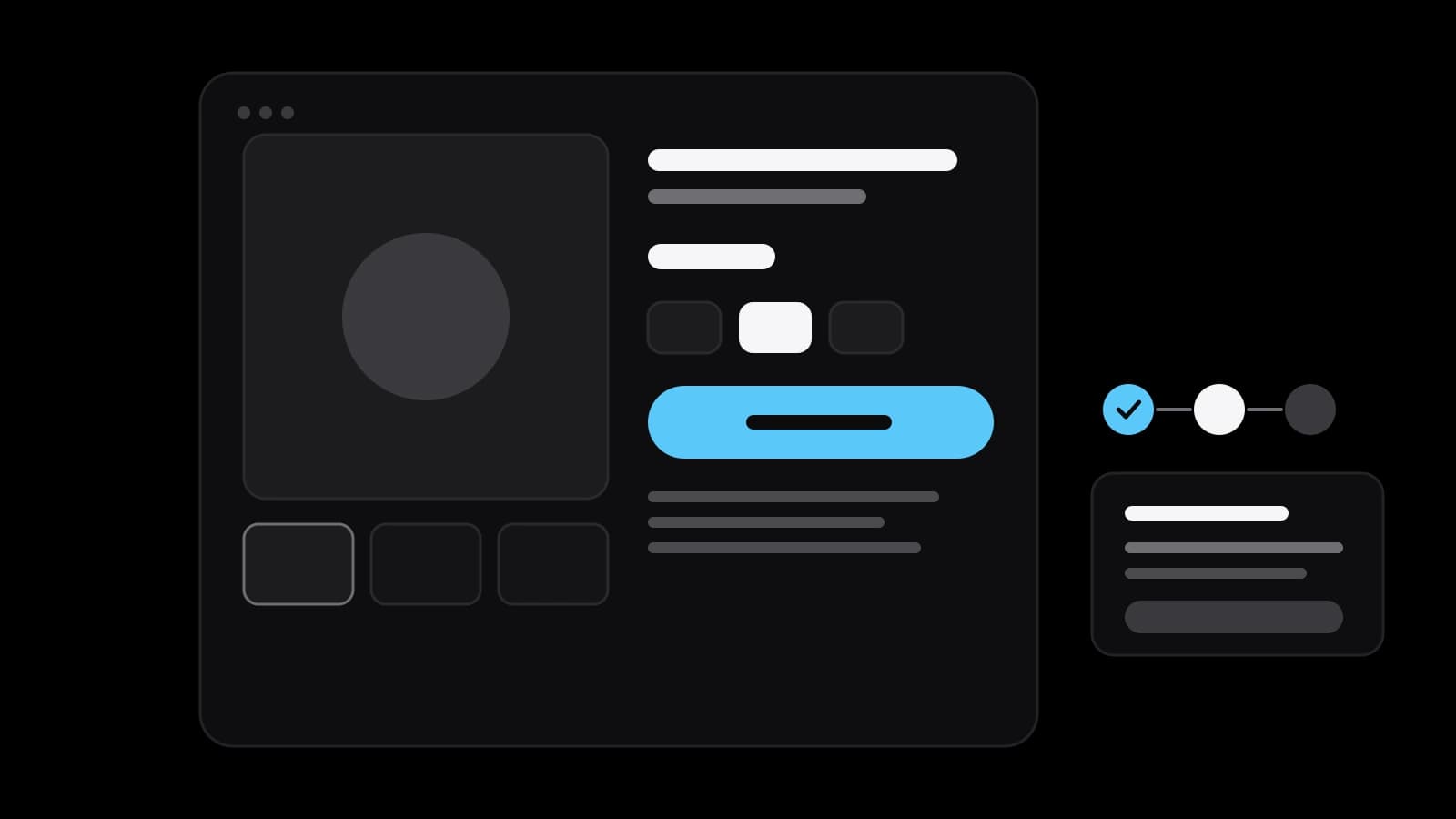
Python projects for beginners: 13 small builds ordered by the skill each one trains
Thirteen python projects for beginners, ordered from input and if to files, JSON and pathlib. Each comes with the feature it trains, a stretch goal, the trap the official docs warn about and a way to finish it in one evening.
Design
Ecommerce website design: a page-by-page guide from the homepage to the checkout
Ecommerce website design, page by page: what the homepage, category lists, product page, cart and checkout must do, which research findings back each rule, and the speed and accessibility limits a store has to meet.
Design
What is a logo: its parts, main types and how it differs from a trademark
A logo is the mark people use to recognise a business. Here is what it is made of, which types exist, why a drawn logo is not yet a trademark, how it fits into a brand identity and how to test it before launch.
Design
What is corporate identity: the elements, the rules and how it differs from a brand
What is corporate identity in practice: the constant elements a business repeats everywhere and the rules that hold them together. How it differs from visual identity, a brand book and the brand, and how to build a minimum kit.
Marketing
What is a product listing: the parts of a marketplace product card and the rules behind them
A product card is the marketplace page where a buyer decides. Here is what it is made of, what the seller fills in and what appears on its own, what the platforms allow on photos and how search ranks it.
Business
What is a mobile app: the four types, how stores check them and when a business needs one
What is a mobile app, in business terms: a program a customer installs from App Store, Google Play or RuStore. The four ways to build one, how stores review it, what it costs to keep and when a site or PWA does the job.
Business
Website fixes: what they include, how to write the task and when to rebuild instead
Website fixes are changes to a live site, from a broken form to a new section. Here is how they differ from a redesign and from support, how to write the task, and how to keep data and search positions safe.
 New departmentThe journal's libraryEvery story, A to Z. Walk the hall from shelf to shelf.Enter the library
VITON13 Studio
From reading to doing
Seven directions of VITON13 Studio. A written scope and price before any work starts.
 AIQuotes, dispatch and support with AI, implemented step by step.
 DevelopmentWebsites, stores and apps, from a landing page to a SaaS.
 DesignLogo, identity and interfaces in one system.
 MarketingSEO, ads and content with analytics you can read.
 VideoReels, commercials and product films.
 MarketplacesListings, storefront and launch on marketplaces.
 StylingA capsule, a look and a shoot with a stylist.
Editorial intelligence, translated into action.
Take a VJOURNAL signal into strategy, design, content or commerce with VITON13.
Quick links
Terms and notes
- Every VJOURNAL story is signed by an editorial desk, never by an invented person. A desk is a team plus the scripts it operates, and each desk has a page listing the stories it produced.
- VJOURNAL is drafted with AI assistance and published under editorial responsibility. The editorial policy states the actual division of work between the tools and the people who sign.
- VITON13 sells products and services and publishes VJOURNAL. The commercial-content section of the editorial policy sets out how the two are kept apart and how commercial content is labelled.
- Facts are attributed to the sources listed on each story; interpretation is marked as interpretation. A story that misses a checking gate is not published.
- Corrections: send the story URL and the disputed claim to viton13bussiness@gmail.com. The claim is checked against the sources the story cites.